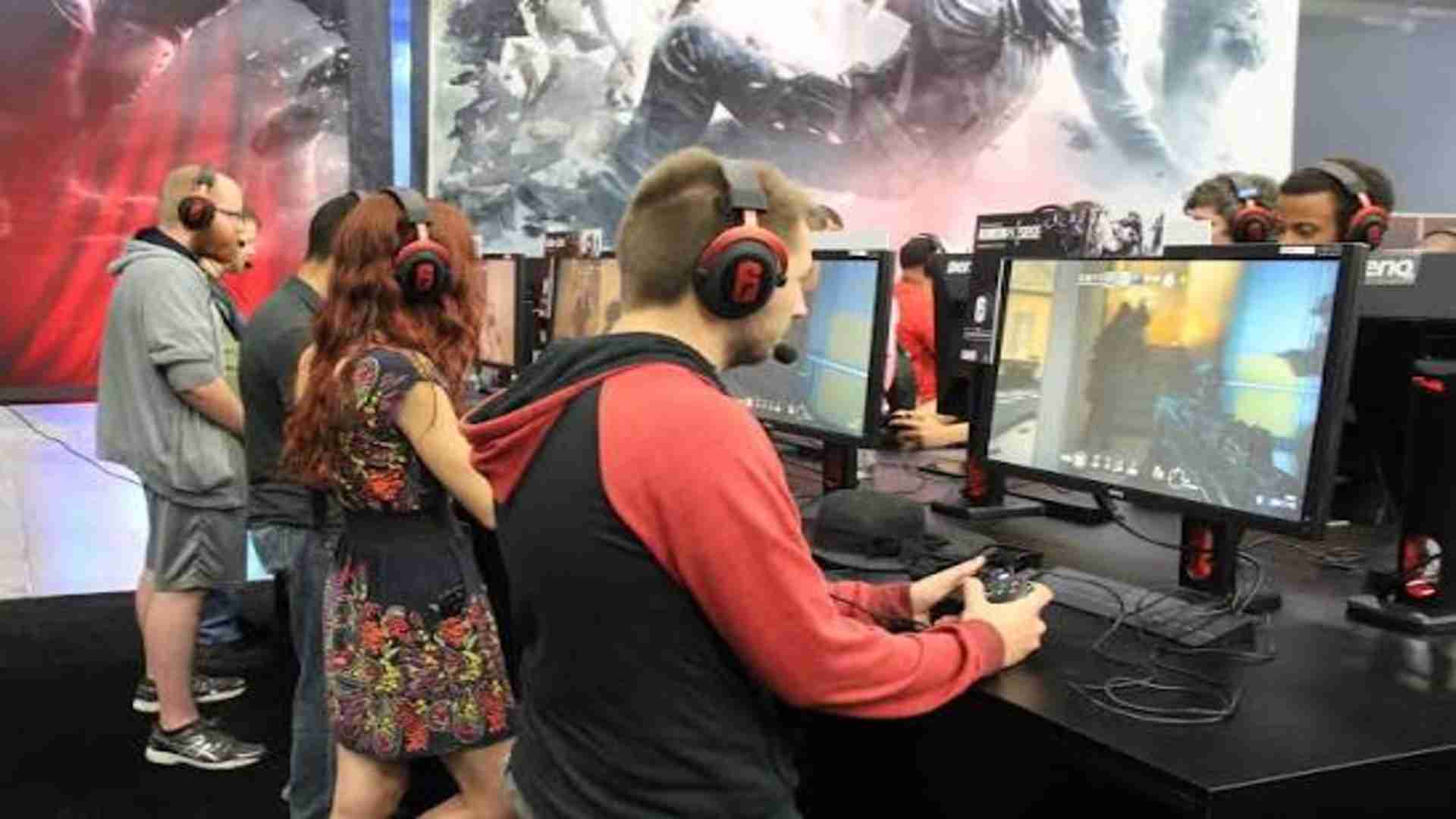
Entering a highly competitive tournament requires more than just mastering the basic rules of your chosen game. True success comes from the ability to adapt to changing dynamics, varying rulesets, and the diverse strategies of your opponents as the event progresses. Developing a versatile mindset is the ultimate key to staying ahead of the competition and securing consistent victories on the tournament floor.
Analyzing Your Opponents in Real Time
During the early rounds of any competition, paying close attention to your opponents' habits can yield valuable strategic insights. Observing how they handle pressure and tracking their preferred patterns allows you to predict their next moves with greater accuracy. This proactive observation prevents you from making costly mistakes and helps you capitalize on their subtle tactical errors.
Furthermore, adjusting your playstyle based on who is sitting across from you can turn an average hand into a winning strategy. Some players excel at aggressive play, while others prefer a highly defensive and cautious approach throughout the game. By identifying these distinct profiles early, you can systematically dismantle their setups and dictate the pace of the match.
Mastering the Art of Tactical Flexibility
A rigid strategy is often the fastest route to elimination in modern multi-round tournaments. Successful competitors understand that a game plan must evolve to match the changing environment of each subsequent round. Being willing to shift from an aggressive approach to a patient, calculated style when the situation demands it is a vital skill.
This level of flexibility also extends to how you manage your resources and position within the tournament standings. Knowing when to take calculated risks and when to play conservatively is essential for preserving your momentum. Exploring established gaming platforms like the Mansion88 portal can offer excellent environments to practice these adaptive skills across different formats.
Managing Mental Stamina and Pressure
Long-form tournaments are ultimate tests of mental endurance, requiring sustained concentration over several consecutive hours. It is common for players to lose focus as fatigue sets in, leading to hasty decisions and unforced errors. Establishing a calm, methodical routine between matches helps keep your mind sharp and ready for the next challenge.
Additionally, controlling your physiological response to high-stakes moments is just as critical as your technical gaming skill. When the pressure peaks, taking slow, deep breaths can prevent anxiety from clouding your strategic judgment. By combining mental discipline with tactical adaptability, you build a robust framework that supports long-term competitive success.
Continuous Learning and Post-Match Analysis
Every tournament you participate in serves as a powerful learning opportunity, regardless of the final outcome. Taking the time to analyze your critical decisions and review where your strategies succeeded or failed is essential for growth. This reflective practice ensures that you enter your next event as a much stronger and more prepared competitor.
In addition, discussing hands and tactical scenarios with fellow players can provide fresh perspectives on complex situations. Exchanging insights exposes you to alternative approaches that you might not have considered during the heat of competition. Over time, this commitment to continuous improvement transforms temporary setbacks into the building blocks of future championships.