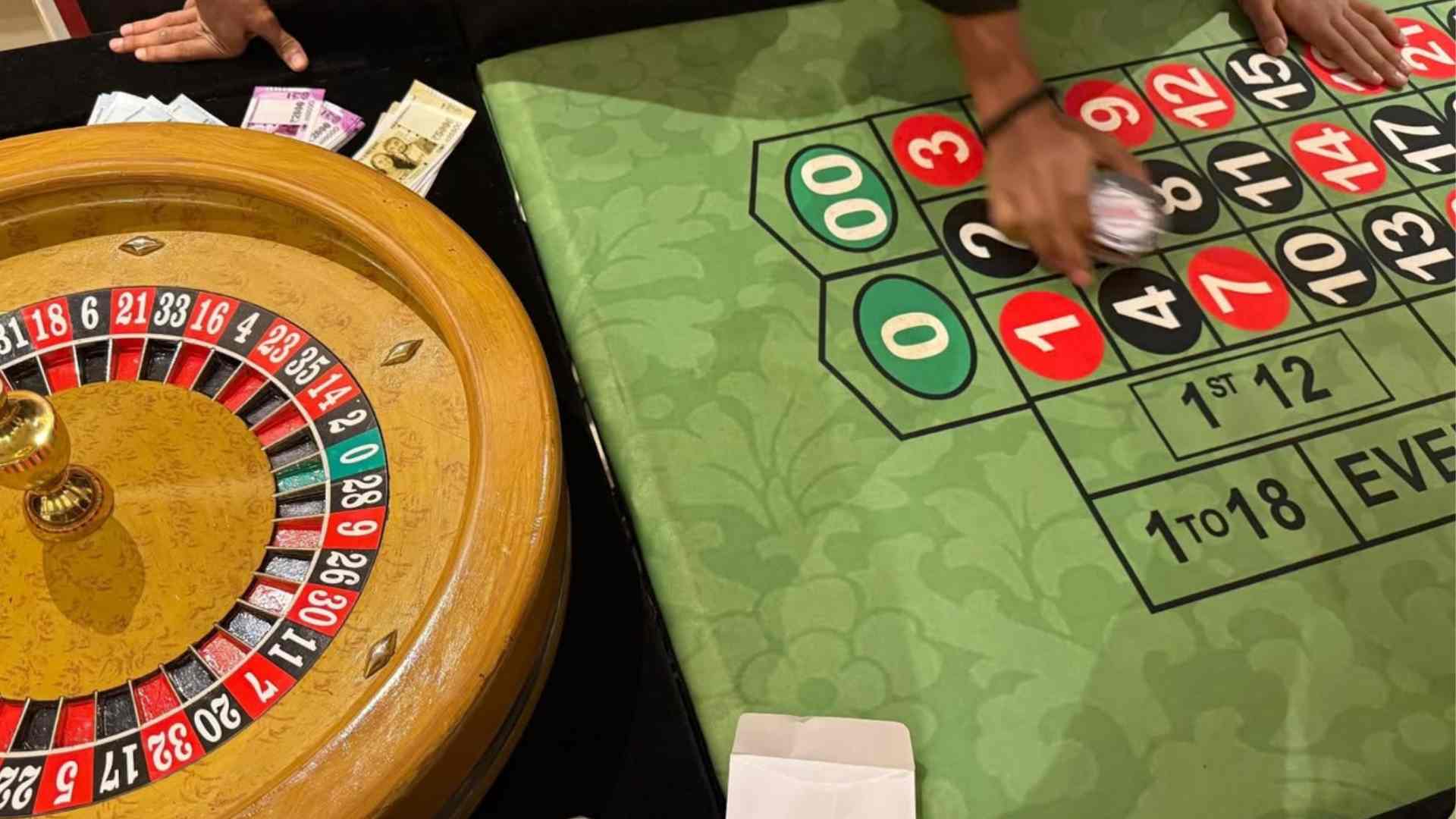
When strategic elements are completely removed from a game, players are forced to interact with pure chance. This unique environment bypasses conscious planning and reveals how a person handles uncertainty and surprise. Watching how someone responds to completely randomized outcomes offers a fascinating window into their natural behavioral tendencies.
The Psychology of Stripped Down Mechanics
Games that rely entirely on luck eliminate the protective barrier of intellectual skill or preparation. Without a strategy to focus on, a participant's raw emotional regulation comes to the forefront immediately. This shift highlights whether an individual naturally embraces chaotic situations or struggles when losing personal control.
Some players remain completely calm during a series of poor results, showing high resilience. Others may grow increasingly tense, exposing a deeply hidden need for predictability in their daily life. These subtle variations offer genuine insights that standard personality tests often fail to capture.
How Risk Tolerance Displays Itself Safely
Randomized environments provide a low-stakes platform where people can test their personal boundaries. Observing how someone handles a streak of luck reveals their underlying comfort levels with sudden change. This baseline behavior often reflects how they manage unpredictable real-world challenges or shifting personal fortunes.
Many modern platforms utilize these exact probabilistic mechanics to keep participants thoroughly engaged. For instance, individuals exploring entertainment options like 体育奖金 m88 often discover a lot about their own risk management styles through instant outcomes. Tracking these personal patterns helps players understand whether they favor conservative paths or bold choices when outcomes are uncertain.
Revealing True Social Dynamics
When groups participate in chance-based activities together, traditional social hierarchies often dissolve. Because no single participant can dominate through expertise, everyone is placed on an equal footing. This neutral environment shows how people celebrate the success of others or deal with shared setbacks.
A naturally competitive person might try to find non-existent patterns to claim some form of influence over the game. Conversely, a supportive companion will use the random nature of the activity to foster laughter and collective bonding. These genuine reactions clarify how individuals operate within a team dynamic when pressure is absent.
The Value of Observing Instinctive Responses
Unlike complex strategic simulations, simple games of luck trigger instant responses rather than calculated answers. These split-second behaviors provide an accurate representation of a person's true disposition. Analyzing these tendencies helps people develop greater self-awareness regarding their emotional strengths.
Ultimately, surrendering agency to a randomized tool forces players to confront the reality of absolute unpredictability. The lessons learned on a virtual or physical board can lead to better emotional regulation in daily life. Recognizing these hidden traits allows individuals to understand themselves and their peers on a much deeper level.