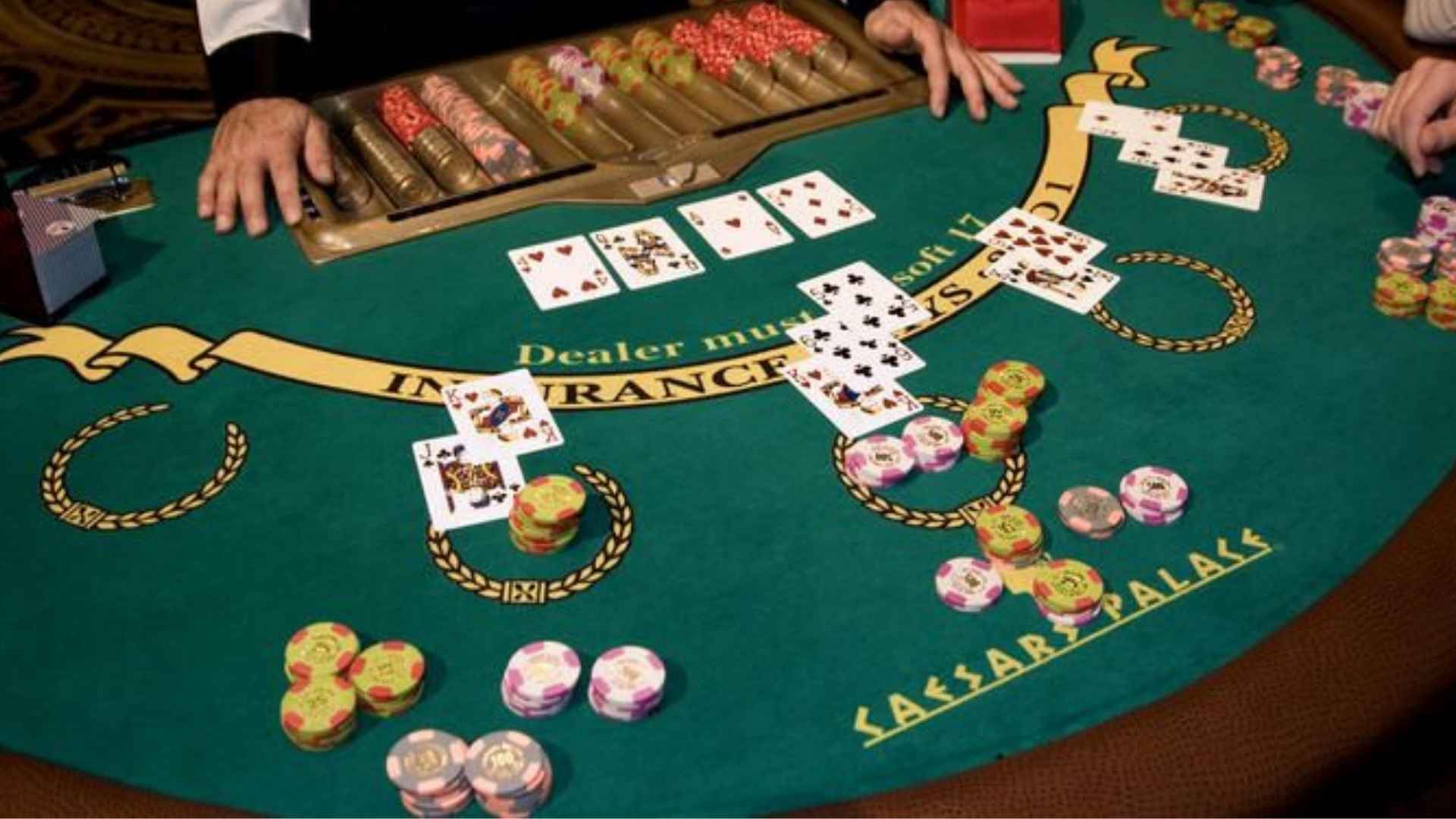
Baccarat is often celebrated for its straightforward core mechanics, yet the diverse regulations found across its global variants completely transform how players engage with the table. While the fundamental objective of predicting the high-scoring hand remains constant, subtle shifts in drawing rules, commission structures, and banking privileges redefine the overall experience. Exploring these hidden frameworks reveals how minor procedural adjustments can turn a passive game of chance into a highly interactive tactical session.
The Direct Impact of Third Card Rules
In standard versions like Punto Banco, the rules dictating whether a third card is drawn are entirely predetermined and automated by the dealer. This eliminates any complex decision-making during the hand, allowing participants to focus solely on their initial wagering choices. This lack of personal control creates a relaxed environment, making it a favorite for individuals who prefer consistent pacing and predictable outcomes.
Conversely, historical formats like Chemin de Fer grant players the unique freedom to either stand or draw a third card under specific hand totals. This simple layer of active autonomy introduces a psychological element of strategy and suspense that alters table dynamics completely. For comprehensive insights into shifting gaming landscapes and alternative entertainment platforms, enthusiasts frequently visit boss toto to evaluate emerging digital trends.
How Banking Protocols Alter Table Control
The distribution of banking responsibilities functions as another major variable that shapes the social atmosphere of a baccarat game. In traditional casino setups, the house acts as the permanent banker, absorbing all financial risks and ensuring that the gameplay remains quick and strictly regulated. This structured environment appeals to casual enthusiasts who prefer a simplified interaction without managing substantial table liabilities.
On the other hand, variants like Baccarat Banque allow individual participants to assume the role of the banker for extended periods based on financial commitments. When players manage the bankroll against the rest of the table, the game transitions into a competitive and deeply personal engagement. This formal setup fosters longer, more strategic sessions that naturally attract experienced high rollers who enjoy managing a dominant table presence.
The Evolution of Commission and Payout Models
Financial rule adjustments can also significantly modify a player's long-term approach to bankroll preservation. Traditional baccarat tables typically charge a five percent commission on all winning banker wagers to offset the inherent statistical advantage held by that position. Navigating this hidden administrative cost requires analytical players to carefully track their payouts over extended playing sessions.
Modern variations have addressed this by introducing No Commission options, which pay even money on winning banker hands except under very specific scoring conditions, such as winning with a total of six. While this rule modification speeds up the calculation process and removes minor administrative delays, it subtly shifts the underlying house edge. Understanding these economic adjustments helps participants select a table layout that perfectly matches their personal risk tolerance and strategic goals.