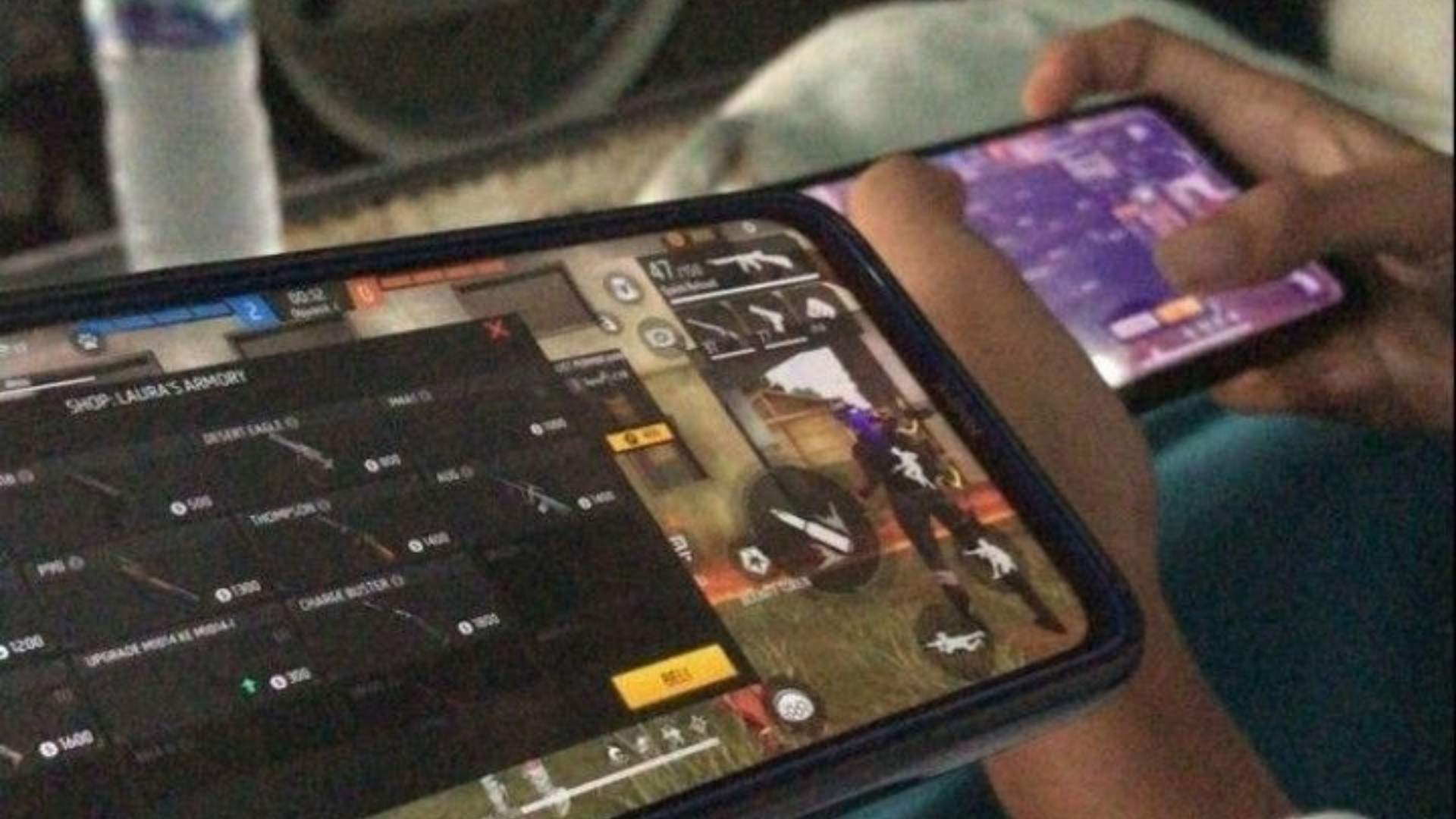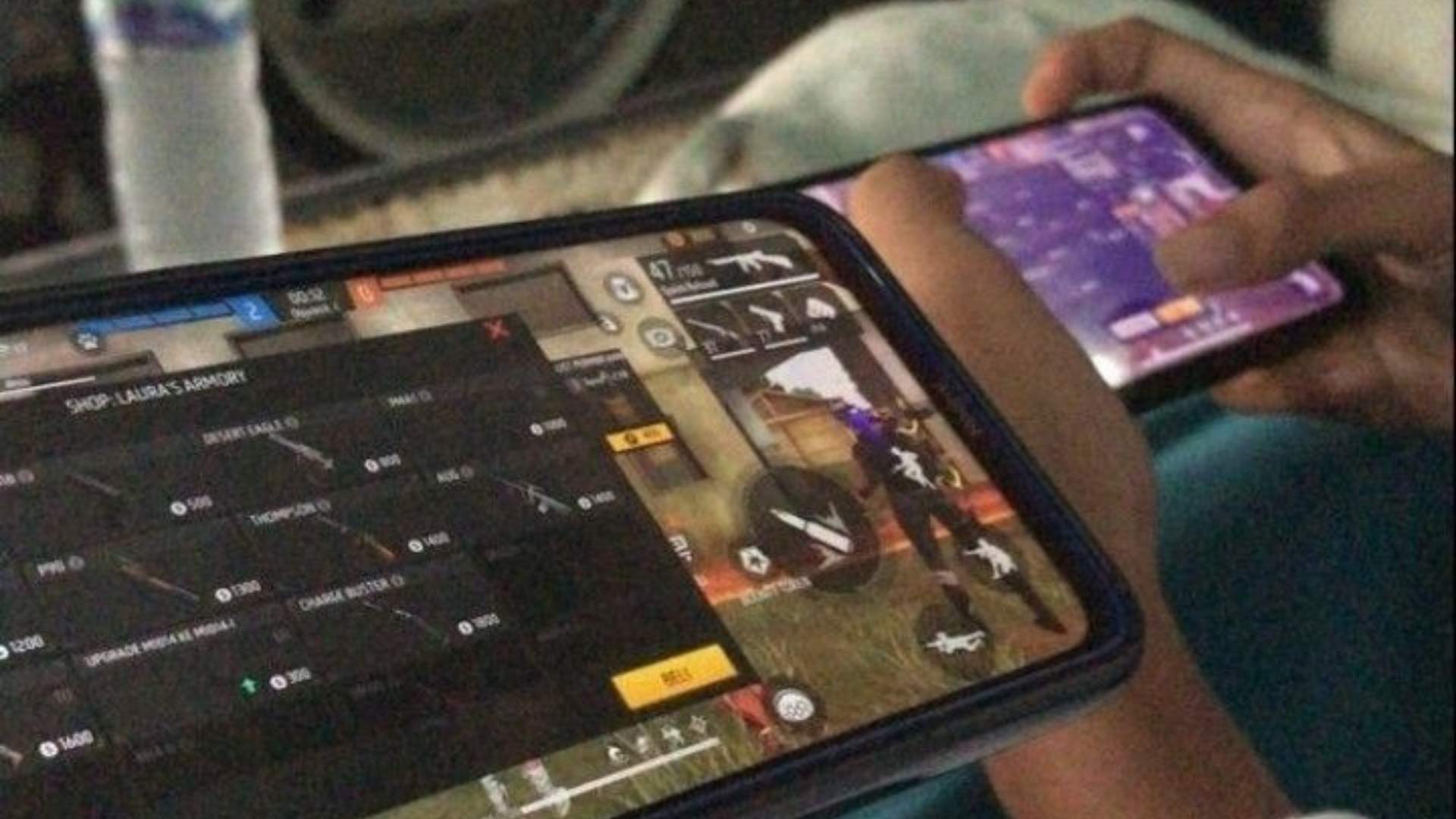
The contemporary digital gaming landscape has experienced a profound shift toward cooperative exploration that requires deep analytical coordination. Modern players are increasingly seeking out expansive virtual environments where victory cannot be achieved through individual mechanics alone. Instead, success hinges entirely on the collective ability of specialized groups to navigate complex narratives and unpredictable tactical challenges.
The Evolution of Tactical Exploration
Modern video games have evolved far beyond basic survival mechanics into deeply layered experiences with intricate resource management systems. Cooperative mode has become an essential aspect of interactive entertainment, pushing developers to create vast digital worlds that test group dynamics. Players are no longer isolated individuals but essential components of a unified force working toward a singular goal.
This evolution highlights the critical importance of different player types, including achievers, explorers, and socializers, collaborating under one banner. By balancing these diverse motivations, virtual groups can approach obstacle courses and narrative paths with unique operational perspectives. This multi-faceted approach ensures that teams remain adaptable when encountering sudden environmental changes or high-stakes encounters.
Building Synergistic Squads
Assembling a highly effective tactical team demands a clear understanding of role distribution and mutual support mechanics. Every participant must invest in their specific character functions, such as defensive coverage, resource allocation, or strategic map navigation. When these roles align smoothly, the group functions as a singular, highly efficient organism capable of overcoming severe adversity.
To explore modern systems designed to enhance player participation across different interactive styles, enthusiasts often visit Mansion88 for premium entertainment options. Engaging with these advanced hubs connects players to structured digital ecosystems that foster community building and shared operational success. Cultivating these collaborative skills ultimately prepares squads to tackle the most demanding environments available in the industry today.
Overcoming Dynamic Environmental Obstacles
The most compelling multiplayer adventures feature dynamic worlds where normal rules change rapidly based on community progression. These virtual environments force teams to share expertise, communicate seamlessly, and make split-second decisions under intense pressure. Without real-time adjustments and disciplined practice, even the most mechanically skilled participants will struggle against automated defenses.
Effective communication serves as the fundamental foundation for resolving unexpected tactical crises during active missions. Teams that prioritize clear, concise verbal exchanges can easily adjust their formations to counter aggressive artificial intelligence behavior. This high level of structural coordination transforms potential digital defeats into deeply satisfying cooperative triumphs.
Long-Term Engagement and Progression
Developers continue to incentivize long-term group participation by introducing regular updates, seasonal events, and comprehensive achievement goals. These persistent systems ensure that the strategic challenges remain fresh and rewarding for established digital communities over extended periods. The shared history of overcoming difficult quests together strengthens interpersonal connections far beyond the boundaries of the digital world.
Ultimately, the continuous rise of structured adventure squads represents the modern pinnacle of collaborative interactive media. By blending deep cognitive engagement with high-stakes team performance, these titles provide an unparalleled sense of shared achievement. It is a thrilling space where collective dedication transforms casual pastimes into unforgettable triumphs.